Industries7 min read
AI chatbot for e-commerce: 3 webshops, 1 pattern
Chatwize teamPublished on
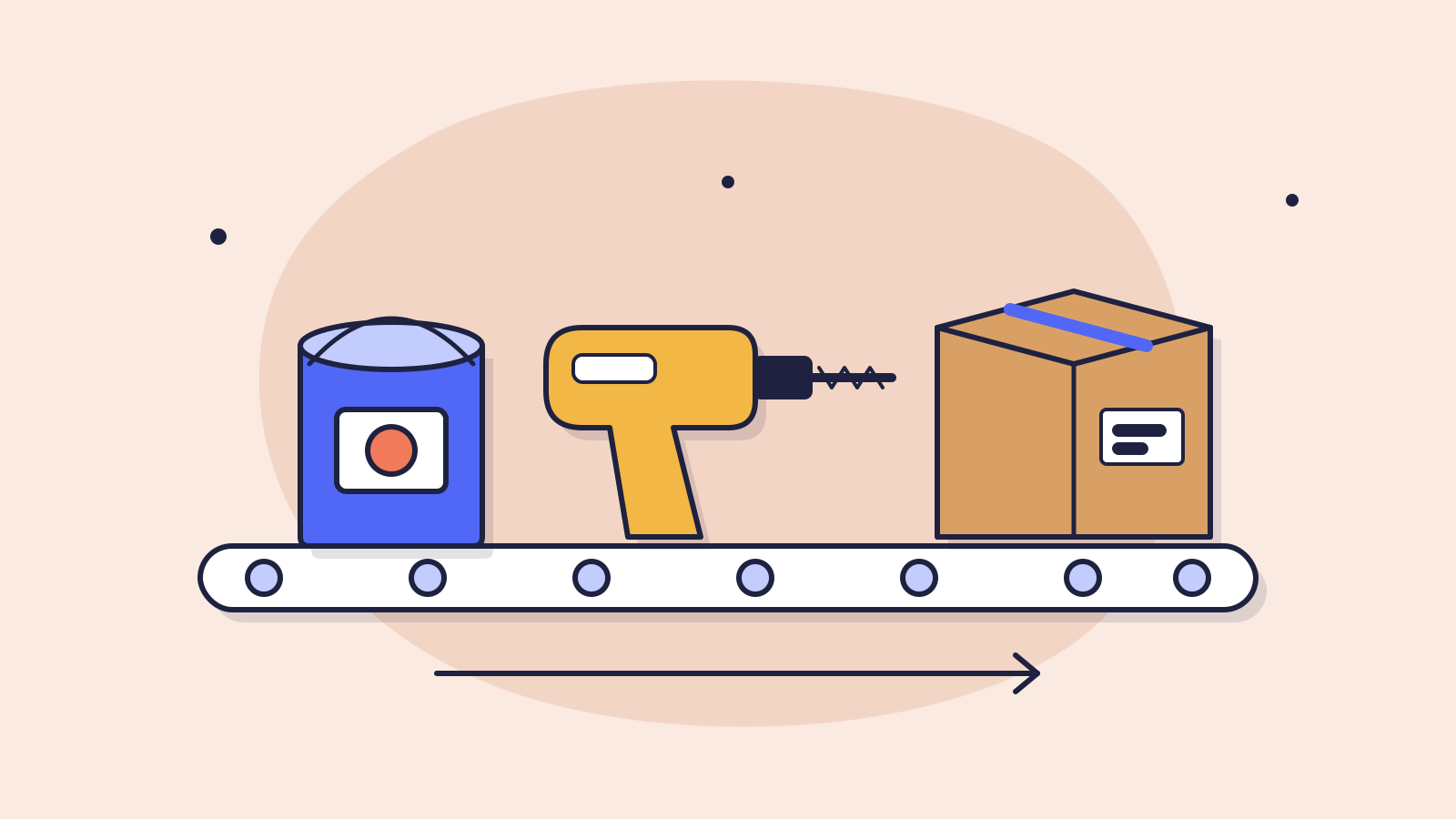
Bestel-verf.nl, Onlineborenkopen.nl and Maatwerkverpakkingen.nl sell things that have nothing in common, paint, drills, boxes. Yet their chatbot implementations look strikingly similar. Three webshops, one pattern. Here's what consistently turns up in e-commerce, and what it means for your shop.
Three webshops, three categories, the same question types
At Bestel-verf it's “which paint for outdoor”, “which brush with primer”. At Onlineborenkopen it's “which drill for concrete”. At Maatwerkverpakkingen it's “can you make these boxes in batch-250 with our logo print”. All advice questions, not product-description questions. The customer knows what they want to achieve, not which SKU they need.
Key shift
Stop having the bot recite the catalogue. Start with “what's the goal?” and work back to the product.
Pattern 1, product advice beats product description
Bestel-verf themselves asked for the chatbot to surface product links proactively on outcome questions. “Which paint for outdoor woodwork?” instantly returns two links. Onlineborenkopen added the same logic for drilling in concrete and metal. Maatwerkverpakkingen uses FAQ blocks that link per product category.
The rhythm is always the same: short explanation in 1-2 sentences, then a direct link to the right product page. Not three paragraphs of text. Not all products in the category. Two, three at most.
Pattern 2, out-of-hours = purchase moments
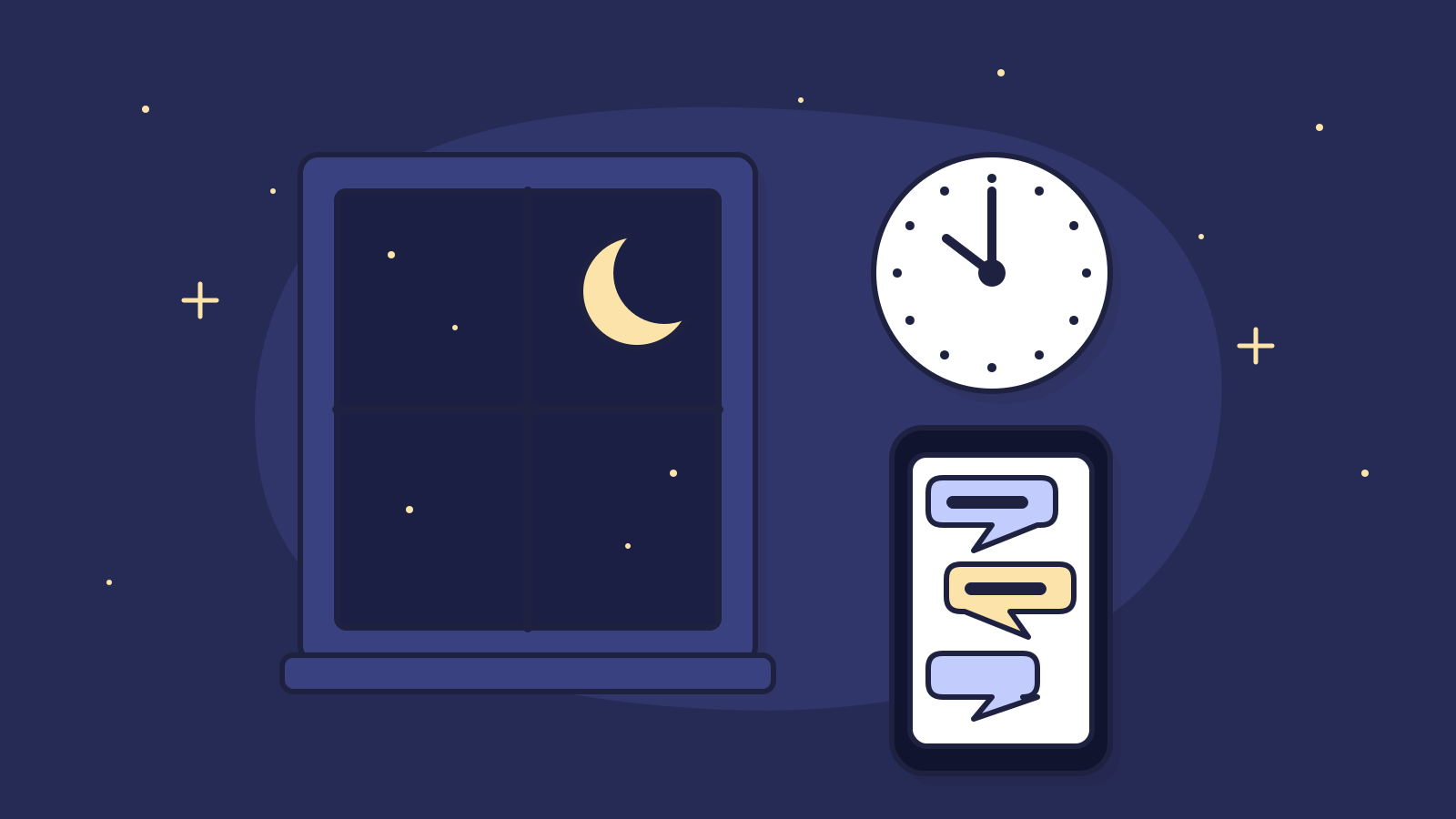
40% of Bestel-verf's questions land outside office hours. 35% at Onlineborenkopen. 64% at Maatwerkverpakkingen. These aren't support questions that can wait, these are purchase moments. Someone thinking at 10pm on a Sunday about tomorrow's job wants an answer now. Otherwise they buy elsewhere.
40%
Bestel-verf, outside office hours
35%
Onlineborenkopen, outside office hours
64%
Maatwerkverpakkingen, outside office hours
Pattern 3, the bot is an extension, not a replacement
Across all three webshops the team stays active in live chat during the day. The bot covers evenings, weekends and daytime peak loads. Customers who want to discuss a specific custom question still get a human. The difference: that human doesn't walk in cold, they receive the full prior conversation.
Don't do this
Pull the team off live chat because “the bot's got it.” On the complex 10-15%, human contact remains your strongest conversion tool. The bot saves time, it doesn't replace relationship.
What this means for your webshop, 4 things to nail first
- Write down the top 10 question types you currently get by email or phone, those are your first sources.
- Flag the 5 product categories where advice questions most often arrive. That's where product links go.
- Decide upfront how your catalogue gets into the bot: manual sources or an article-number API.
- Define the “human-handoff trigger”, at what topic or tone does the bot escalate? Write it out.
Webshops that have these four worked out beforehand reach the “Hypadvies pace”, live within a week, stable within a month.
Read next
Customer service9 min read
8 implementations, 5 patterns: what AI chatbots really do
Eight customers, eight sectors, one striking outcome: the same five patterns keep returning. What they are, and how to use them in your rollout.
Customer service5 min read
After hours: the silent majority of customer questions
35-65% of customer questions arrive outside office hours, at every client. Who's asking, what they want, and why this is the moment for automation.
Ready to make this happen for your team?
Book a short demo and we'll show how Chatwize fits your customer questions, channels and processes.